
A Homeowner's Guide to Navigating Roof Insurance Claims in Texas
That sinking feeling after a major storm rolls through Cleburne is something many of us know all too well. The wind howls, the hail pounds, and once it's over, you're left wondering, "Is my roof okay?" If you find damage, the next thought is often even more stressful: dealing with the insurance company. The process can feel confusing and overwhelming, leaving you worried about getting a fair settlement to protect your home.
At iRestorePros, we understand. A significant portion of our work—over 85%—involves insurance restoration projects. We've spent years helping homeowners just like you navigate the complexities of the claims process. This guide is designed to demystify the steps, empower you with knowledge, and show you how to move from storm damage to a secure, new roof with confidence. We'll walk you through identifying damage, filing your claim, and working with a contractor who has your best interests at heart.
Step 1: Identifying and Documenting the Damage
The first step after any significant weather event is to assess the situation safely. While it might be tempting to climb up on the roof yourself, it's always safer to inspect from the ground and call a professional. Look for obvious signs of damage like missing or cracked shingles in your yard. Inside your home, check for new water stains on the ceiling or walls.
Here are some common signs of storm damage a professional will look for:
- Hail Damage: You'll see dents or pockmarks on shingles, vents, and gutters. These impacts can compromise the shingle's protective granular layer, leading to leaks down the road.
- Wind Damage: Look for shingles that are lifted, creased, or completely missing. High winds can break the sealant strip that holds shingles down, making your roof vulnerable to water intrusion.
- Debris Damage: Fallen tree limbs or other debris can cause significant structural damage that requires immediate attention.
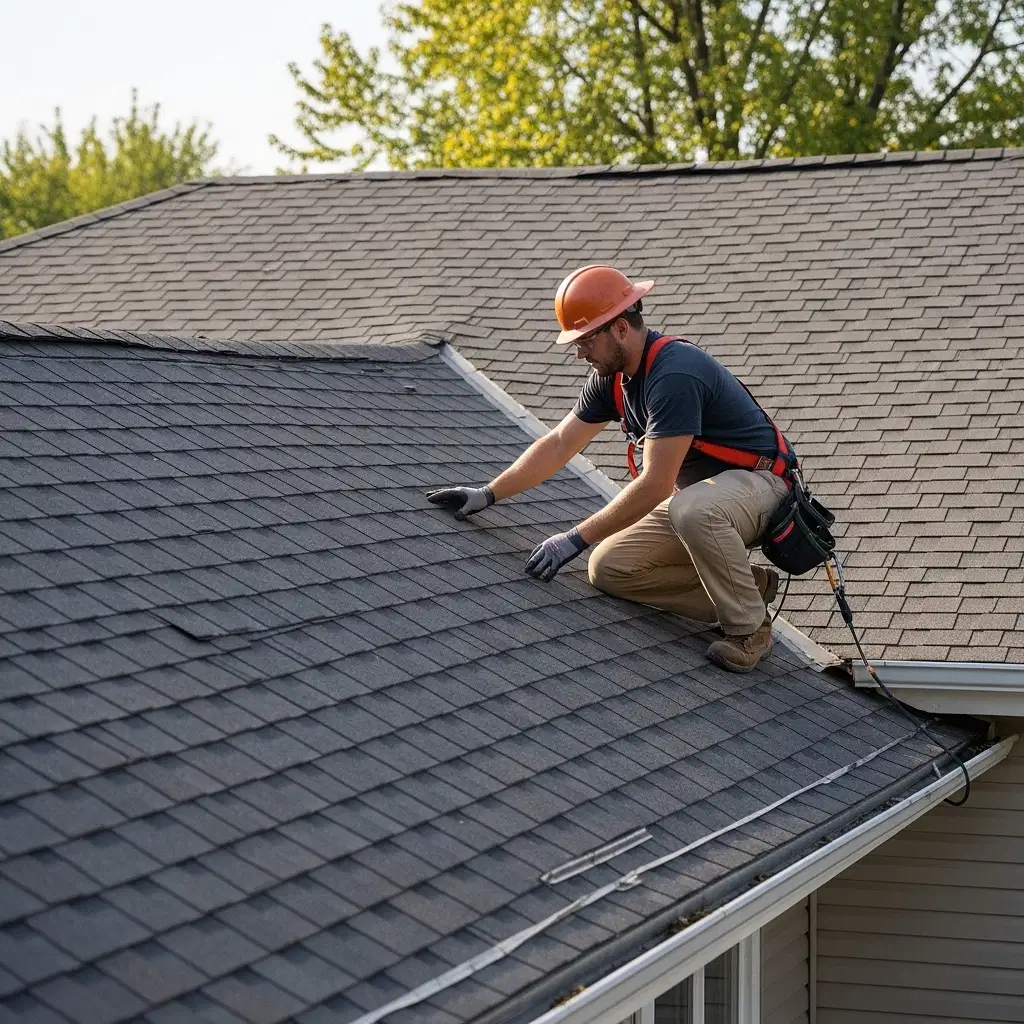
Before you do anything else, document everything. Take clear photos and videos of any damage you can see from the ground. Note the date and time of the storm. This initial documentation is crucial when you file your claim. The best course of action is to schedule a professional real estate roof inspection. An expert can provide a thorough, safe assessment and give you the detailed documentation your insurance company will need.
Step 2: Filing Your Claim and Meeting the Adjuster
Once you've confirmed there is damage, it's time to contact your insurance provider to initiate a claim. Have your policy number and documentation ready. They will assign an adjuster to inspect your property and evaluate the extent of the damage.
This is a critical point in the process, and it's where having a trusted roofing partner becomes invaluable. We highly recommend having your chosen contractor present during the adjuster's inspection. Why? An experienced roofer acts as your advocate. We speak the same language as the adjuster and can point out damage they might overlook, ensuring the scope of work accurately reflects what's needed to properly restore your roof.
After the inspection, the adjuster will create a report detailing the covered damages and the estimated cost of repairs. It's important to review this document carefully with your contractor. We can help you understand the line items and ensure nothing has been missed. If there are discrepancies, we can provide our own detailed estimate and communicate directly with the adjuster to ensure you receive a fair assessment for a complete roof replacement or repair.
Step 3: Understanding Your Settlement and Avoiding Pitfalls
After a big storm, you'll likely see an influx of out-of-town roofing companies, often called storm chasers. They might make big promises, but working with an established, local Johnson County contractor ensures accountability and long-term support. A local company understands regional building codes and the specific challenges our Texas weather presents.
When you receive your insurance settlement, it will typically come in two parts. The first check is the Actual Cash Value (ACV) of the roof, which is its current value minus depreciation. Your deductible will be subtracted from this amount. The second part, known as Recoverable Depreciation, is paid out after the work is completed and you provide the final invoice to the insurer.
It can be a bit confusing, but we make it a priority to educate our customers on the process. We'll sit down with y'all and explain every detail of the insurance paperwork and our estimate so you feel completely comfortable. Our goal is to build a lasting relationship, providing not just a service, but peace of mind. We focus on installing a complete, high-quality roofing system using top-of-the-line materials designed to stand the test of time.

From Claim to Completion: Restoring Your Home
With an approved claim and a trusted contractor, you're on the home stretch. The final step is the actual work of restoring your roof. We'll help you select the best materials for your home's needs and aesthetics, including durable, impact-resistant options that are perfect for handling Texas hail season. Our team handles the entire process, from removing the old roof to meticulous installation and cleanup, all while maintaining clear communication with you.
Dealing with storm damage is never easy, but you don't have to go through it alone. By understanding the process and partnering with an experienced, local expert, you can turn a stressful situation into a smooth and successful project that protects your home for years to come.
If you suspect your roof has sustained damage or you're fixin' to start the insurance claim process, don't hesitate. Contact the team at iRestorePros in Cleburne for a free, no-obligation roof repair inspection. Let us help you restore your home and your peace of mind. Get in touch with us today!