
The iRestorePros Guide to Attic Insulation and Roof Longevity
Here in North Texas, we all know the feeling. The summer sun beats down relentlessly, and your AC works overtime just to keep things comfortable. Or maybe you've noticed your energy bills creeping up year after year. Many homeowners might blame their windows or their air conditioner, but the real culprit is often hiding right above your head: your attic.
At iRestorePros, we’ve seen firsthand how the health of an attic is directly linked to the lifespan of a roof. It’s an interconnected system, and when one part is neglected, the other suffers. This guide will walk you through why proper attic insulation and ventilation are crucial for protecting your roof, saving you money, and keeping your home comfortable year-round. We're not just about fixing problems after they happen; we're about helping our neighbors in the Cleburne area build stronger, more resilient homes from the inside out.
Your Attic: The Unsung Hero of Your Home
Think of your attic as the buffer zone between your living space and the harsh Texas elements. Its main job is to regulate temperature and moisture, and it accomplishes this through two key components: insulation and ventilation. They work together as a team, and if one isn't doing its job, the whole system fails.
-
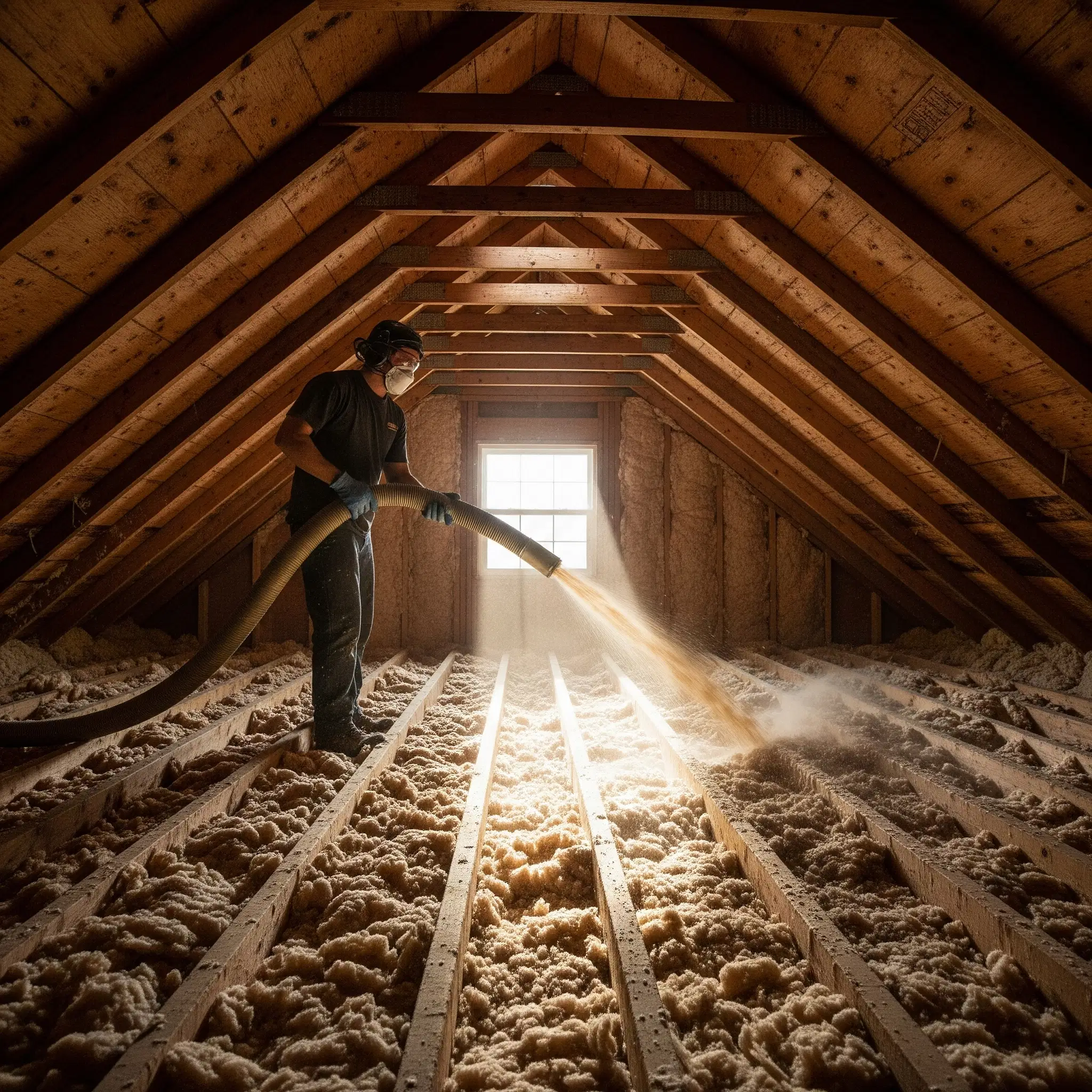
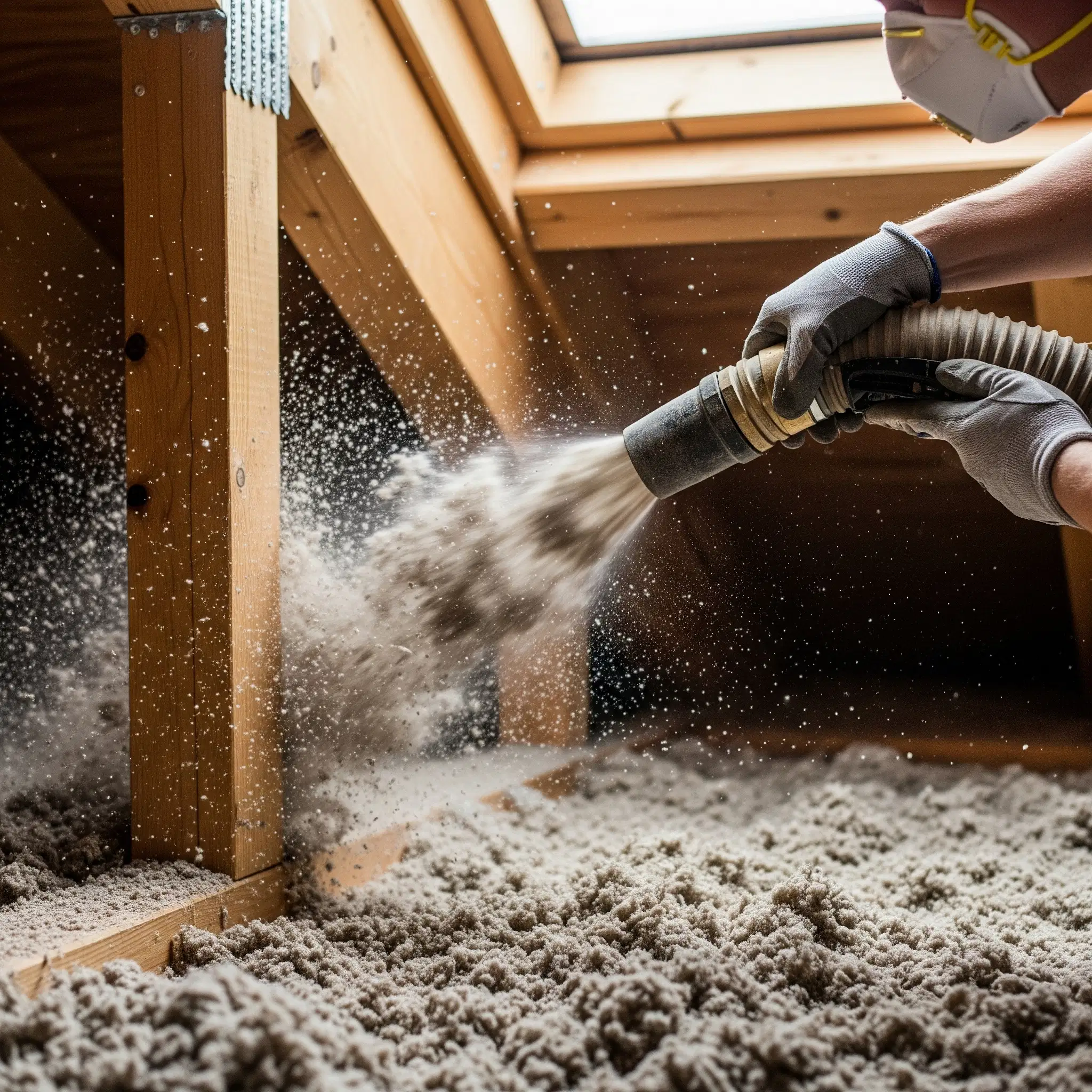
Insulation: The primary role of insulation is to resist heat transfer. In the summer, it keeps the scorching heat from the roof from radiating down into your home. In our mild winters, it keeps the warm air from your furnace from escaping through the ceiling. The effectiveness of insulation is measured in R-value—the higher the R-value, the better it resists heat flow.
-
Ventilation: A well-ventilated attic allows for continuous airflow. This is critical for two reasons. First, it pushes out the superheated air that builds up during the summer, which can reach temperatures of 150°F or more. Second, it expels moisture that rises from your home (from cooking, showers, etc.) before it can condense on the underside of your roof deck. Proper ventilation typically involves a system of intake vents (in the soffits or eaves) and exhaust vents (at the roof's ridge).
How a Neglected Attic Can Destroy Your Roof
A poorly insulated or ventilated attic isn't just inefficient; it's actively damaging your roof. Over time, these hidden issues can lead to costly repairs and even a premature roof replacement.
Summer Heat Damage: When your attic can't breathe, it becomes an oven. This extreme heat essentially “bakes” your asphalt shingles from the underside. The shingles' protective granules can loosen, the asphalt can dry out and become brittle, and the seals between them can fail. This drastically shortens their lifespan and makes them much more vulnerable to damage during the next hail season.
Moisture and Mold: In the cooler months, warm, moist air from inside your house rises into the attic. If it can't escape through proper ventilation, it will condense on the cold surfaces, like the nails, trusses, and the roof sheathing itself. This constant dampness is a perfect breeding ground for mold and mildew, which can cause health issues. More critically, it can lead to wood rot, compromising the structural integrity of your entire roof system. What might have been a simple insulation issue can quickly turn into a major structural roof repair project.
Telltale Signs Your Attic Needs Attention
So, how do you know if your attic is putting your roof at risk? You don't have to be a roofing expert to spot the warning signs. Keep an eye out for these common red flags:
- Sky-High Energy Bills: If your heating and cooling costs seem unreasonable, your attic is one of the first places to check. It's a classic sign that your insulation isn't providing an adequate thermal barrier.
- Inconsistent Indoor Temperatures: Do you have rooms that are always too hot or too cold? Is your second story significantly warmer than your first? This often points to insufficient or poorly distributed insulation.
- Premature Shingle Aging: Take a look at your roof. Are the shingles curling, cracking, or buckling, even though the roof isn't that old? Your attic could be cooking them from below.
- Visible Attic Issues: If it's safe to do so, take a peek in your attic. Do you see damp, matted, or compacted insulation? Are there dark stains on the wood from moisture? Can you see frost on the underside of the roof deck on a cold morning? These are clear indicators of ventilation and insulation problems.
Addressing these issues through a proper attic restoration is one of the smartest investments you can make, often as part of a larger plan for home renovations that improve efficiency and value.
Protect Your Home from the Top Down
As y'all can see, a healthy roof is about more than just shingles. It's a complete system where every component, including the attic, plays a vital role. Neglecting your attic's insulation and ventilation is a surefire way to shorten your roof's life, waste energy, and create a less comfortable home.
At iRestorePros, we specialize in creating complete, durable roofing systems designed for the Texas climate. That includes performing thorough attic inspections and restorations to ensure your roof is protected from both above and below. If you've noticed any of the warning signs or simply want peace of mind, we're here to help.
Contact iRestorePros today for a comprehensive assessment of your attic and roofing system. Let's work together to make your Cleburne home safer, more efficient, and more comfortable for years to come.